Reflex Sympathetic Dystrophy (RSD), also known as Complex Regional Pain Syndrome (CRPS), is a chronic pain condition that can occur after injury, surgery, or trauma.
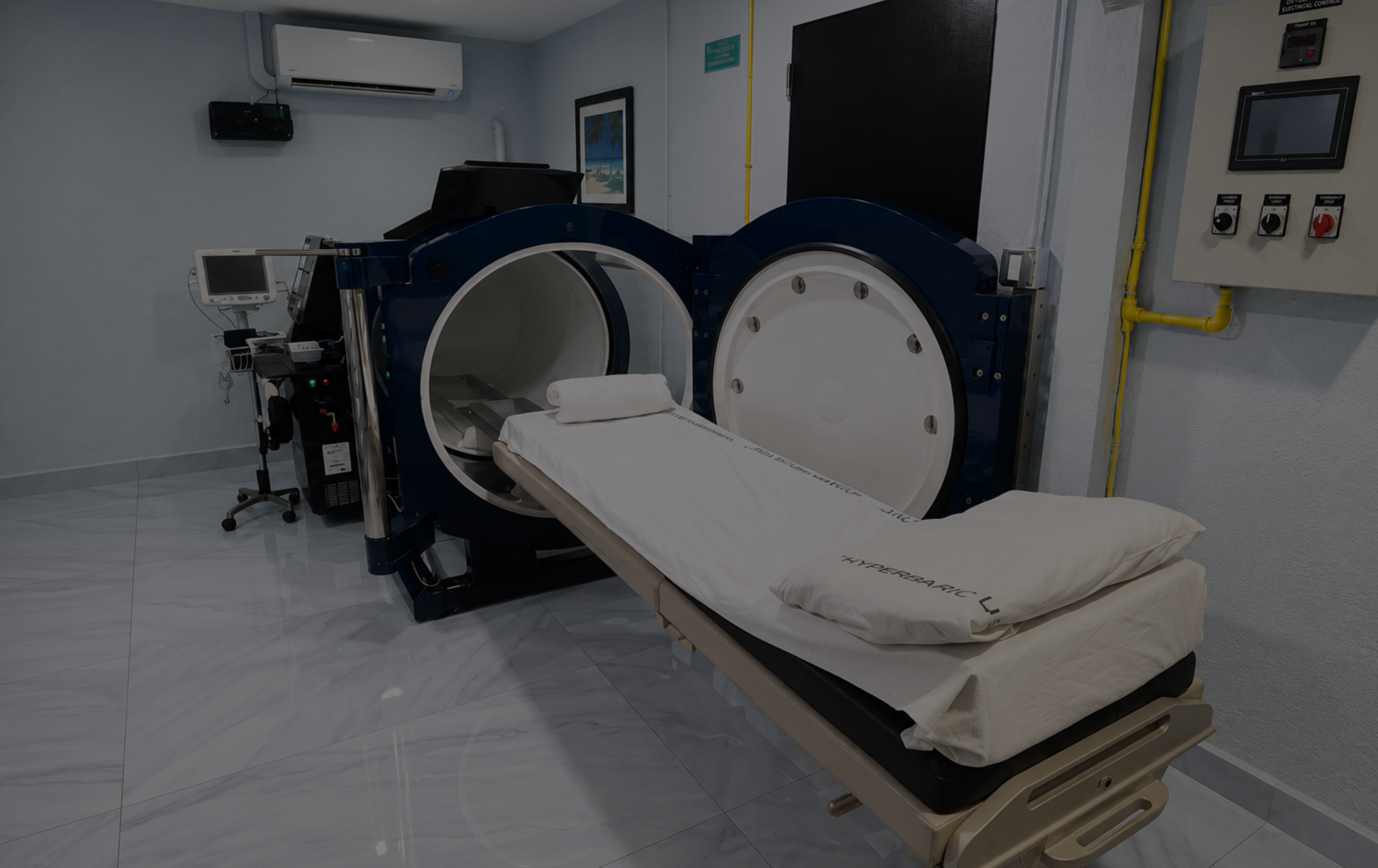
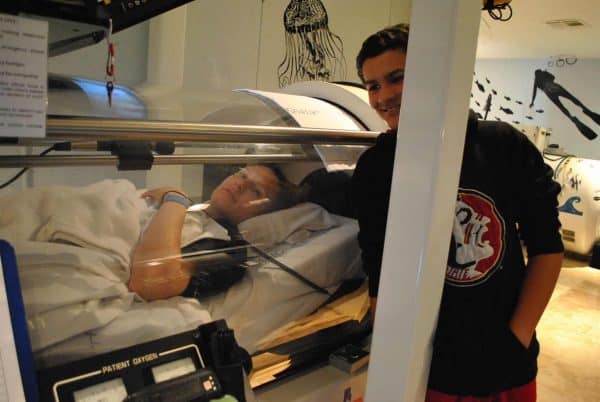
Hyperbaric Oxygen Therapy (HBOT) is a supportive treatment that delivers 100% oxygen in a pressurized chamber, increasing oxygen levels in damaged tissues and helping improve circulation, reduce inflammation, and support nerve healing.
Many patients with CRPS use hyperbaric therapy to help:
- reduce chronic pain
- decrease swelling
- improve mobility
- support nerve repair
Living with Reflex Sympathetic Dystrophy (RSD), clinically known as Complex Regional Pain Syndrome (CRPS), means enduring relentless burning pain, debilitating swelling, and chronic nerve pain that conventional medicine rarely resolves. For patients searching for effective reflex sympathetic dystrophy treatment options that go beyond opioids, Hyperbaric Centers of Florida offers a powerful, non-invasive CRPS treatment: Hyperbaric Oxygen Therapy (HBOT). Our clinic in Zephyrhills, FL, has delivered over 60,000 treatments since 2003, helping RSD and CRPS patients across the Tampa Bay area and all of Florida find lasting CRPS pain relief — without surgery and without dependency on narcotics.
As a leading RSD treatment center in Florida, we specialize in HBOT for RSD treatment and CRPS treatment with hyperbaric oxygen using real 3-ATA medical-grade chambers — the gold standard in hyperbaric therapy for RSD. If you are looking for a CRPS clinic near you in Florida with decades of proven experience, you have come to the right place.
What Is Reflex Sympathetic Dystrophy (RSD / CRPS)?
Reflex Sympathetic Dystrophy (RSD) is the former clinical name for Complex Regional Pain Syndrome (CRPS) — a chronic neuroinflammatory disorder that produces severe, persistent pain far disproportionate to the original injury. It most commonly develops following a fracture, surgery, sprain, or soft-tissue trauma, and primarily affects the arms, legs, hands, and feet.
CRPS is divided into two subtypes with distinct reflex sympathetic dystrophy treatment options: CRPS Type 1 (the former RSD diagnosis) occurs without confirmed nerve injury, while CRPS Type 2 (formerly Causalgia) follows documented nerve damage. Both subtypes cause the same devastating range of symptoms and both respond to hyperbaric oxygen therapy for CRPS. The condition is also classified as involving sympathetically maintained pain (SMP) or sympathetically independent pain (SIP), though HBOT research shows efficacy across both presentations.
RSD/CRPS affects approximately 75% women, with most patients in their 30s or 40s. Without early and effective treatment, the condition can progress to permanent tissue damage, skin ulceration, and in severe cases, amputation of the affected limb.
Common RSD / CRPS Symptoms That HBOT Addresses
- Intense burning or stabbing pain — a hallmark of chronic nerve pain treatment need
- Swelling, edema, and inflammation in the affected limb — reduced through tissue oxygenation therapy
- Allodynia (severe pain from light touch) — a primary target of allodynia treatment via HBOT
- Skin color changes — mottled, pale, or reddish discoloration
- Abnormal skin temperature — affected area feels unusually hot or cold
- Excessive or reduced sweating (hyperhidrosis or anhidrosis)
- Neuropathic pain and hypersensitivity — addressing neuropathic pain relief is a core HBOT benefit
- Muscle weakness and atrophy from disuse
- Limited range of motion and joint stiffness
- Sleep disruption and severe chronic fatigue
- Depression and cognitive difficulties — often called “brain fog”
How Does Hyperbaric Oxygen Therapy Treat RSD and CRPS?
HBOT for RSD treatment works by delivering 100% pure medical-grade oxygen at up to 3 ATA (atmospheres absolute) of pressure inside a certified hyperbaric chamber. This tissue oxygenation therapy floods damaged nerves and oxygen-starved tissues with the healing oxygen needed to interrupt the chronic inflammation cycle at the cellular level — making it one of the most effective non-invasive CRPS treatment approaches available today.
1. Breaks the Hypoxia-Inflammation Pain Cycle
RSD/CRPS begins when reduced capillary blood flow causes tissue hypoxia, oxygen starvation, which drives inflammation, nerve sensitization, and the relentless burning pain cycle. Hyperbaric therapy for RSD directly corrects this root cause by restoring tissue oxygen levels, cutting off the cycle at its source. This is precisely how HBOT breaks the RSD pain cycle: normalizing local tissue pH and oxygen tension stops the abnormal sensory nerve stimulation that perpetuates RSD.
2. Reduces Neurogenic Inflammation
Increased oxygen tension reduces the inflammatory mediators that drive sympathetically maintained pain, calming the abnormal efferent vasomotor activity that sustains the RSD pain loop. This anti-inflammatory effect is one reason HBOT reduce nerve pain in RSD patients consistently, and it contributes directly to neuropathic pain relief in both CRPS Type 1 and CRPS Type 2.
3. Promotes Angiogenesis and Restores Circulation
HBOT triggers the formation of new blood vessels, a process called angiogenesis, in hypoxic, RSD-damaged tissues. This angiogenesis HBOT effect restores healthy circulation to oxygen-starved limbs and nerves, directly enabling the tissue healing that chronic nerve pain treatment alone cannot provide.
4. Supports Neuroplasticity
HBOT encourages the brain and peripheral nervous system to form new, healthier nerve connections — a process known as neuroplasticity. This neuroplasticity hyperbaric oxygen effect reduces the hypersensitivity and allodynia that define CRPS, and helps explain why patients report improvements in cognitive clarity and mood alongside physical pain reduction.
5. Reduces Fibrous Tissue and Restores Mobility
By reducing inflammation and restoring circulation, hyperbaric oxygen therapy for CRPS decreases fibrous tissue formation in affected areas — directly improving mobility, range of motion, and muscle strength. As swelling diminishes, patients are able to engage in physical therapy with markedly better results.
6. Mobilizes Stem Cells for Repair
HBOT increases circulating stem cells in the bloodstream, which migrate to damaged tissues and contribute to cellular regeneration and nerve repair in CRPS-affected areas, further extending the duration and depth of recovery.
What to Expect: HBOT Treatment Protocol for RSD at Our Florida Clinic
Our hyperbaric chamber 3 ATA protocol for HBOT for RSD treatment is individualized for every patient by Medical Director Dr. Stephen M. Strait, DO. Every treatment at our CRPS clinic in Florida uses real ASME PVHO-certified chambers — not soft-shell low-pressure alternatives — with 100% medical-grade, oil-free oxygen.
Standard RSD / CRPS Protocol
- Sessions: 40 HBOT sessions (the standard evidence-based protocol for complex regional pain syndrome treatment)
- Duration: 90 minutes per session inside a real 3 ATA hyperbaric chamber
- Frequency: 5–7 days per week — open 7 days a week at our Zephyrhills, FL clinic
- Oxygen: 100% medical-grade oxygen — never diluted compressed air
- Comfort: Sea-Long hoods, 100% cotton scrubs, no claustrophobic masks
- Supervision: All sessions supervised by licensed staff with physician-written orders — is hyperbaric oxygen therapy safe for CRPS? Yes — every session is medically supervised.
Typical Timeline of Improvements
- Sessions 1–5: Most RSD patients report their first full night of sleep within early sessions. Early burning pain relief and reduced burning sensations are commonly noted.
- Sessions 6–20: Measurable reduction in swelling and edema. Decreased dependence on narcotic medications — one of the most important CRPS treatment without opioids benefits reported by patients.
- Sessions 20–40: Significant improvement in range of motion, muscle strength, and cognitive clarity. Allodynia treatment response deepens — light-touch pain reduces substantially.
- Post-treatment: Many patients return to work and prior activities. Some return for additional sessions if symptoms recur — HBOT will not worsen your condition.
Why Choose Hyperbaric Centers of Florida
Patients choose Hyperbaric Centers of Florida because of our commitment to high-quality care and advanced treatment technology.
Our clinic offers:
- Advanced hyperbaric oxygen chambers
- Experienced medical staff
- Personalized treatment plans
- Comfortable outpatient therapy sessions
- Convenient Florida location
We focus on helping patients improve their quality of life through safe and effective hyperbaric oxygen therapy.
Clinical Research: What the Evidence Says About HBOT for CRPS / RSD
The evidence base for hyperbaric oxygen therapy for CRPS continues to grow. As an off-label HBOT indication, it has been studied across randomized controlled trials, retrospective case series, and systematic reviews — all showing consistent benefit for CRPS pain relief and functional recovery.
- Kiralp MZ et al. (2004): Double-blind, randomized, placebo-controlled study of 71 CRPS patients — HBOT for complex regional pain syndrome results showed significant reduction in pain after the first session, measurable edema reduction, and improved wrist range of motion. PubMed PMID: 15174218.
- Cha J et al. (2025): Review of 13 studies, 280 CRPS patients — HBOT produced significant symptom relief regardless of CRPS subtype (SMP or SIP) or disease duration. Anti-inflammatory and neuroplasticity-promoting properties confirmed. PubMed PMID: 39878056.
- Hajek M et al. (2024): Retrospective case series — majority of CRPS patients improved in both pain scores and functional limb state. Earlier HBOT initiation produced larger clinical effects. PubMed PMID: 39239556.
- Schiavo S et al. (2021): Evidence-based narrative review of HBOT in chronic neuropathic pain confirmed mechanistic rationale and clinical efficacy — directly supporting its use in RSD/CRPS. PubMed PMID: 33976752.
Your Path to Recovery in 4 Steps
Free Consultation
Call or fill out the form. Our specialist reviews your RSD history and symptoms in detail.
Medical Evaluation
Our Medical Director, Dr. Stephen M. Strait, DO, assesses your case and creates a personalized treatment plan.
Begin HBOT Sessions
Relax comfortably in our hyperbaric chamber while your body receives pure healing oxygen.
Experience Relief
Track your improvements session by session — less pain, better sleep, reduced swelling, and restored quality of life.
How Hyperbaric Oxygen Therapy Relieves RSD Symptoms
HBOT delivers 100% pure oxygen under increased atmospheric pressure — flooding damaged nerves and tissues with the healing oxygen they need to recover at the cellular level.
Reduces Inflammation
HBOT directly decreases inflammation and edema in tissues affected by RSD, addressing one of the core drivers of the chronic pain cycle.
Restores Blood Flow
Increased oxygen tension improves circulation to oxygen-starved limbs and nerves damaged by the RSD process, actively promoting healing.
Calms Nerve Signals
Normalizing local tissue oxygen and pH levels stops the abnormal sensory nerve stimulation that causes the RSD pain cycle to perpetuate itself.
Reduces Fibrous Tissue
Improved circulation and reduced inflammation work together to decrease fibrous tissue formation, improving mobility and reducing stiffness.
Enables Physical Therapy
As swelling diminishes, patients become able to engage in physical therapy with marked improvements in muscle strength and function.
Restores Sleep & Clarity
Many patients report their first full night of sleep within a few treatments, along with reduced depression and improved mental clarity.
Disclaimer: The information provided by this website is for educational and informational purposes only, and it is not to be considered medical advice. Please consult your doctor before pursuing Hyperbaric Therapies.
Ready to Break the RSD Pain Cycle?
Call our team or request a free consultation online. An HBOT specialist is standing by to help you start your recovery today.