How HBOT Works & What to Expect
Hyperbaric Oxygen Therapy (HBOT) for Lyme disease works by increasing oxygen levels throughout the body’s tissues using 100% pure oxygen in a pressurized chamber. The Lyme-causing bacterium Borrelia burgdorferi is considered microaerophilic, meaning it survives best in low-oxygen environments.
By increasing oxygen delivery to tissues, HBOT may help create conditions that are less favorable for the bacteria while also supporting the body’s natural healing process. This increased oxygen availability may help reduce inflammation, support neurological function, and promote tissue repair.
What Is Hyperbaric Oxygen Therapy for Lyme Disease?
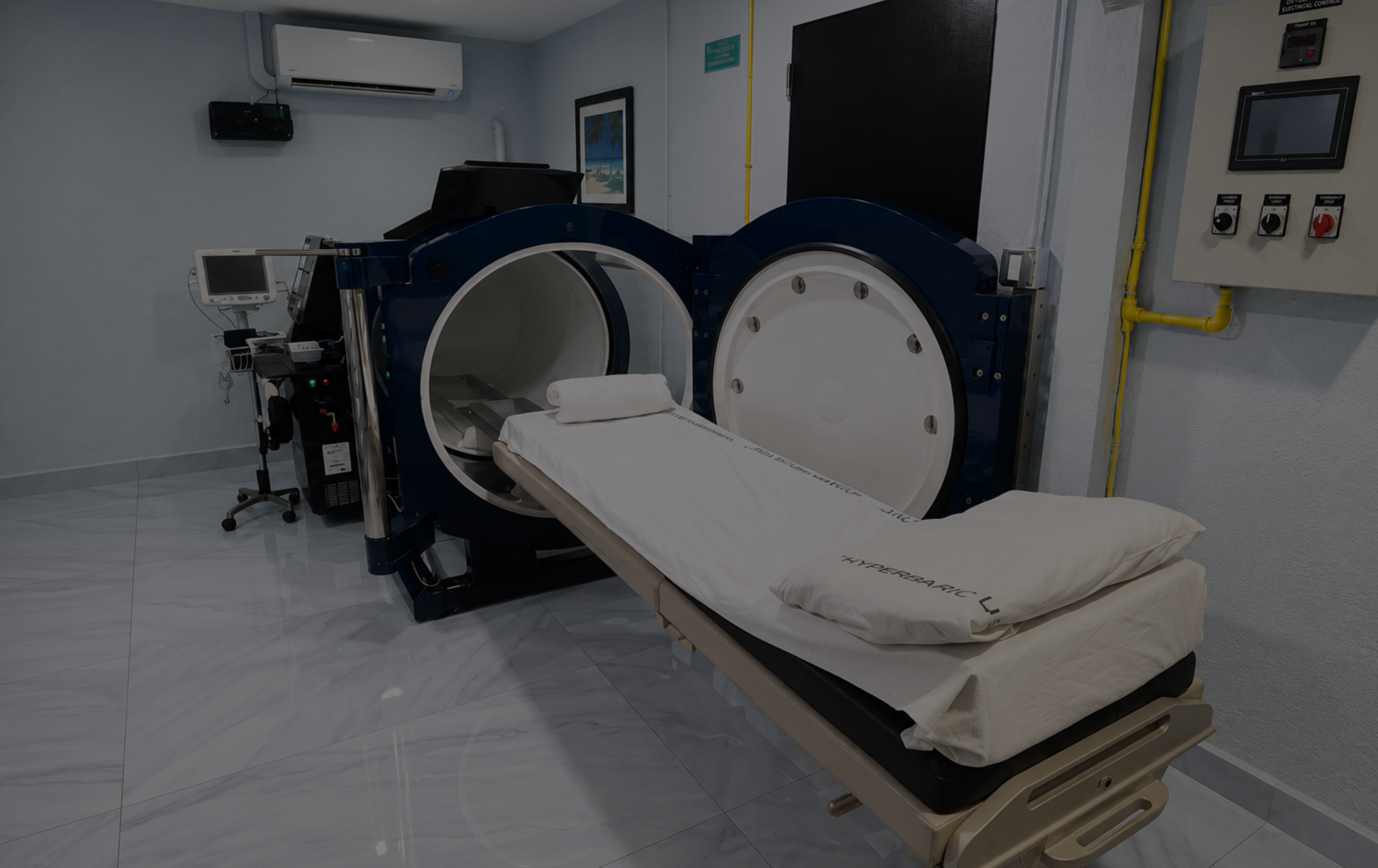
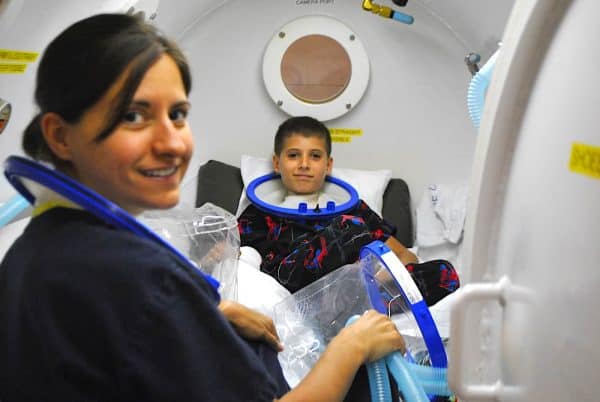
HBOT means sitting inside a pressurized chamber, breathing 100% pure oxygen. The chamber gets set to somewhere between 1.5 and 3.0 ATA. At that pressure, your lungs pull in oxygen at concentrations your body could never reach through normal breathing. That oxygen gets pushed deep into tissues, joints, nerves, places that standard approaches genuinely struggle to reach.
Lyme disease comes from a bacterium called Borrelia burgdorferi, picked up through an infected deer tick bite. The CDC puts official annual cases at around 30,000, but their own surveillance data suggests the real number is closer to 476,000. The disease gets missed constantly. It gets mistaken for other things. People go years without a correct diagnosis.
For the ones who finish antibiotics and don’t recover fully, doctors call it Post-Treatment Lyme Disease Syndrome, PTLDS. HBOT has become one of the more serious options people in that situation are turning to.
Why Lyme Disease Is So Hard to Diagnose
Lyme is genuinely difficult to catch early. The bull’s-eye rash shows up in some cases but not all. Early symptoms look like a dozen other things. Fever. Fatigue. Muscle aches. Flu-like feeling. Migraines. When those get attributed to something else, the infection moves deeper.
Late-stage Lyme is a different picture entirely. Patients end up with nervous system dysfunction, crushing fatigue, sleep that never feels like enough, personality shifts, mood disorders, heart problems, joint pain that won’t quit, and a cognitive fog so thick some people describe it as feeling like they’re thinking through wet concrete.
Doctors see this collection of symptoms and reach for familiar diagnoses. Fibromyalgia. Chronic fatigue syndrome. Multiple sclerosis. Depression. Arthritis. Sometimes diabetes. The actual infection keeps progressing while the wrong condition gets managed. If you’ve been through that cycle and standard medical care hasn’t touched your symptoms, Lyme disease is worth putting on the table.
Late-stage Lyme disease presents with a wide and confusing range of symptoms, including:
- Immune system and nervous system dysfunction
- Severe cognitive disorders and memory loss (“Lyme brain fog”)
- Chronic fatigue and sleep disturbances
- Personality changes and mood disorders
- Cardiac abnormalities
- Persistent joint and muscle pain
Because of this, patients are routinely misdiagnosed with fibromyalgia, chronic fatigue syndrome, multiple sclerosis, depression, arthritis, or diabetes, sometimes for years, while the infection continues to progress unchecked. If you have received one of these diagnoses and have not responded to standard treatment, Lyme disease may be the underlying cause worth evaluating.
How HBOT Targets the Lyme Bacteria
Borrelia burgdorferi figured something out a long time ago. It survives by hiding in low-oxygen environments, joint tissue, nerve tissue, places where the immune system has a harder time operating and where antibiotics don’t penetrate well. That’s not accidental. The bacterium evolved specifically for those conditions.
HBOT goes after exactly that vulnerability. Flooding those same tissues with pressurized pure oxygen, up to 1,000% above normal concentration, turns the bacteria’s hiding strategy against it. The environment it depended on for survival becomes the thing that kills it.
The increased pressure and oxygen delivery may also support the clearance of metabolic byproducts and reduce inflammation in affected tissues. Many patients report feeling clearer and less burdened as treatment progresses.
Some clinicians use HBOT alongside antibiotics, as improved tissue oxygenation may theoretically enhance antibiotic activity. While this combination is used by some practitioners, strong comparative clinical trials are still limited.
Some patients experience a temporary worsening of symptoms in the early sessions, known as a Jarisch-Herxheimer reaction. This can occur when bacteria die off and release toxins. While uncomfortable, it is monitored closely by the medical team. The medical team watches for this and helps patients through it.
Note: Some patients experience a Jarisch-Herxheimer reaction during early sessions, a temporary worsening of symptoms caused by the rapid die-off of bacteria releasing toxins. This is a sign the treatment is working. Our medical team carefully monitors all patients through this process.
Benefits of Hyperbaric Oxygen Therapy for Lyme Disease
The improvements that show up most consistently across patients going through HBOT for chronic Lyme:
- Reduced fatigue — for a lot of people, this is the first thing they feel, sometimes after just a handful of sessions
- Improved cognitive function — memory comes back, concentration improves, thinking feels less like wading through something thick
- Decreased joint and muscle pain — drops as inflammation decreases and tissue gets the oxygen it needs
- Restored neurological function — HBOT improves cerebral blood flow, directly addressing nervous system damage caused by late-stage Lyme
- Strengthened immune response — white blood cell activity increases significantly in high-oxygen environments, giving the body back some of the fighting capacity Lyme systematically drains away
- Tissue and cardiac healing — damaged tissue throughout the body, joints, nerves, even cardiac tissue in advanced cases, begins actual repair rather than just holding steady
These benefits make oxygen therapy for Lyme disease particularly valuable for patients with Post-Treatment Lyme Disease Syndrome (PTLDS), where conventional antibiotic therapy has not fully resolved symptoms.
Clinical Research & Evidence
Fife & Neubauer — Texas A&M University Study (1998)
91 Lyme patients. 1,995 total HBOT sessions. 84.8% showed significant improvement or complete elimination of symptoms. Results confirmed by SPECT brain scans tracking neurological function. This remains the landmark study in this area.
Source: Aalto Hyperbaric / Texas A&M Study Summary
Huang et al. — Case Report in Medicine (2014)
One patient. Chronic Lyme. Failed multiple antibiotic courses over time. After 30 HBOT sessions, full resolution of neurological symptoms across most previously affected areas. Peer-reviewed and published.
Source: PubMed — NCBI
FEMS Microbiology Letters Study (2019)
Researchers exposed Borrelia burgdorferi directly to elevated oxygen in a hyperbaric environment. High-oxygen conditions stunted bacterial growth and reduced viability. Direct laboratory evidence of what pressurized oxygen does to the pathogen itself.
Source: Oxygen Clinic — Study Review
Important: HBOT for Lyme disease is considered off-label and is not specifically FDA-approved for this condition. Results vary between patients. Always consult a qualified hyperbaric physician before beginning any treatment program.
What to Expect During HBOT Therapy
Free Consultation & Medical Evaluation
Everything starts with a proper evaluation. Dr. Stephen M. Strait, DO, reviews your Lyme history, what symptoms you’re carrying, what’s been tried before, how long you’ve been dealing with this, and what you’re hoping to get back. That conversation shapes whether HBOT makes sense for your case and what the protocol should look like.
Personalized HBOT Protocol
No two Lyme cases are the same and the plans reflect that. Most protocols run daily sessions over several weeks. How many total depends on how long the disease has been active, how severe the damage is, and how the body responds to the early sessions. The plan adjusts as things progress rather than staying locked to a fixed script.
The Session Experience
Energy, cognition, pain, and overall symptom burden are tracked session by session so adjustments happen based on what’s actually changing rather than guesswork.
Progress Monitoring
Improvements in energy levels, cognitive function, pain, and overall symptom burden are tracked session by session throughout the treatment course.
4 Step for Lyme Disease
Free Consultation
Call or complete the form. Our HBOT specialist reviews your Lyme history, symptoms, current approaches, and goals.
Medical Evaluation
Our Medical Director, Dr. Stephen M. Strait, DO, assesses your case and creates a personalized plan.
Begin HBOT Sessions
Relax comfortably in our hyperbaric chamber while your body receives pure healing oxygen.
Track Your Recovery
Monitor measurable improvements in energy, cognition, pain levels, and overall symptom burden session by session
How HBOT Fights Lyme Disease at the Cellular Level
HBOT delivers 100% pure oxygen under increased atmospheric pressure — triggering a cascade of physiological responses that directly target Lyme disease and its debilitating symptoms.
May Inhibit Bacterial Growth
Borrelia prefers low-oxygen environments. HBOT significantly raises tissue oxygen levels, which lab studies suggest can slow bacterial growth. Human clinical evidence remains limited.
Rebuilds Immune Response
High oxygen levels supercharge white blood cell activity and immune function — restoring the body's own defenses that Lyme disease systematically dismantles over time.
Powerful Tissue Detoxifier
By forcing oxygen into tissues under pressure, HBOT acts as a detoxifier — pushing toxins, chemicals, and other impurities out of the body that conventional treatments cannot reach.
Reduces Inflammation
HBOT significantly decreases systemic inflammation — one of the most damaging and wide-ranging effects of Lyme disease, responsible for joint pain, fatigue, and multi-system dysfunction.
Restores Neurological Function
HBOT improves cerebral blood flow and oxygenation, directly addressing the neurological and cognitive symptoms of late-stage Lyme — including brain fog, memory loss, and nervous system dysfunction.
Supports Tissue Healing
HBOT accelerates healing of Lyme-damaged tissues throughout the body — including joints, nervous system tissue, and cardiac tissue affected by late disseminated Lyme disease.
Disclaimer: The information provided by this website is for educational and informational purposes only, and it is not to be considered medical advice. Please consult your doctor before pursuing Hyperbaric Therapies.
Personalized Care for Lyme Disease Recovery
If you are struggling with Lyme disease symptoms — early, late-stage, or chronic — our HBOT specialists are ready to help. Get your free consultation today and discover how oxygen therapy can support your recovery.