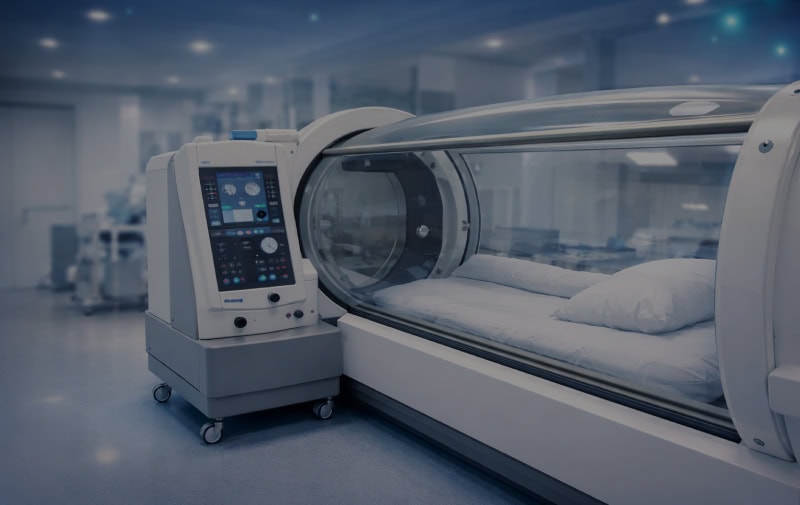
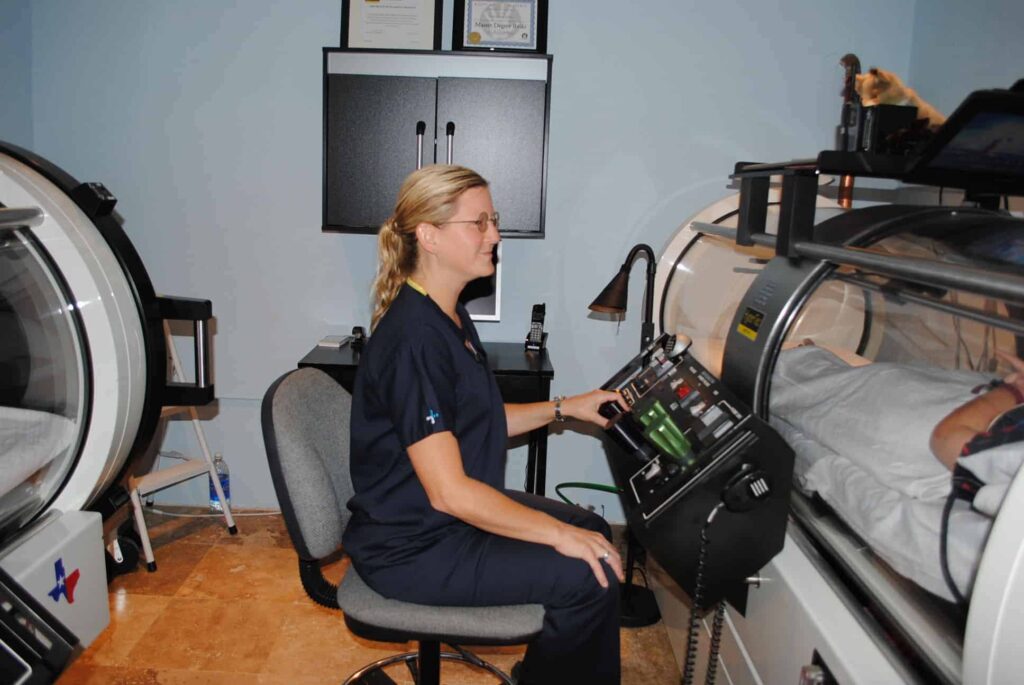
In the complex landscape of modern medicine, researchers are continually exploring how fundamental biological elements can support the body’s fight against disease. One such area of intense interest is Hyperbaric Oxygen Therapy (HBOT), a treatment that delivers 100% medical-grade oxygen within a pressurized chamber. While traditionally known for treating decompression sickness or wound healing, a growing body of research is examining how this increased atmospheric pressure may impact cancer cell behavior and cancer treatment efficacy.
The science of pressurized oxygen
The core principle of HBOT is its ability to dissolve oxygen directly into the blood plasma. Under normal atmospheric conditions, oxygen is primarily carried by red blood cells. However, the high-pressure environment of a hyperbaric chamber allows oxygen to reach areas of the body where circulation may be compromised or restricted — a condition oncologists call tumor hypoxia. Because oxygen is vital for every cell, fueling energy production and supporting immune system function, ensuring its delivery to oxygen-deprived tissues is essential for maintaining cellular health.
When it comes to oncology, researchers have focused on how this oxygen-rich environment affects the proliferation of abnormal cells. Scientific studies have indicated that hyperbaric oxygen can inhibit the proliferation of both benign and malignant human mammary epithelial cells. By altering the cellular environment, HBOT cancer treatment may play a role in slowing the growth of certain types of tumors and supporting the body’s natural healing processes.
Promoting cellular health and treatment synergy
Research has also explored how HBOT might induce “apoptosis” — the process of programmed cancer cell death — in specific cancer strains. For instance, studies on T-leukemia and B-myeloma cells have shown that hyperbaric oxygen can trigger biological pathways, such as the phosphorylation of p38 MAPK, which are associated with cell death in these cancers. Furthermore, HBOT has been shown to promote new blood vessel formation, known as angiogenesis, which helps revitalize tissues stressed by illness.
Beyond its direct effects, HBOT is being studied for its potential to enhance the effectiveness of other therapies. Research involving human leukemia cells suggests that hyperbaric oxygen and chemotherapy may work synergistically — specifically, hyperbaric oxygen may increase the anticancer effects of compounds like artemisinin. Similarly, in models of colorectal cancer liver metastases, investigators have evaluated how oxygen therapy interacts with specialized drug delivery systems to improve outcomes. By reducing inflammation and enhancing collagen production, HBOT helps the body repair damaged tissue more efficiently, often leading to improved comfort and a smoother recovery process.
A foundation for wellness
For those navigating the challenges of a cancer diagnosis, hyperbaric oxygen therapy offers a supportive mechanism grounded in the body’s most basic requirement: oxygen. By improving oxygen availability at the cellular level, this therapy helps the body maintain its natural defenses, support immune function, and increase resistance to infection. Whether used alongside chemotherapy, radiation therapy, or surgical recovery, HBOT is a safe, non-invasive adjunctive option with a growing body of research supporting its role in cancer care.
HYPERBARIC CENTERS OF FLORIDA GROUNDED IN HEALTH AND WELLNESS
To find out more, or to schedule your appointment today, please call Hyperbaric Centers of Florida at 813-788-3969
Frequently asked questions
No. HBOT is not a cure for cancer and is not used as a primary cancer treatment. Instead, it may be used as a supportive therapy to help manage treatment-related side effects and improve quality of life for some patients.
In many cases, HBOT can be safely used under medical supervision. A healthcare provider will evaluate a patient’s medical history, cancer diagnosis, and treatment plan to determine whether HBOT is appropriate.
HBOT is often used to support healing in patients experiencing radiation injuries, delayed wound healing, tissue damage, or other complications that can occur after cancer treatment.
HBOT involves breathing 100% oxygen in a pressurized chamber. The increased oxygen levels may help support the body’s natural healing processes, reduce inflammation, and improve blood flow to damaged tissues.
Patients experiencing radiation-related tissue damage, chronic wounds, or healing complications after cancer treatment may benefit from discussing HBOT with their healthcare provider to determine if it is a suitable option.