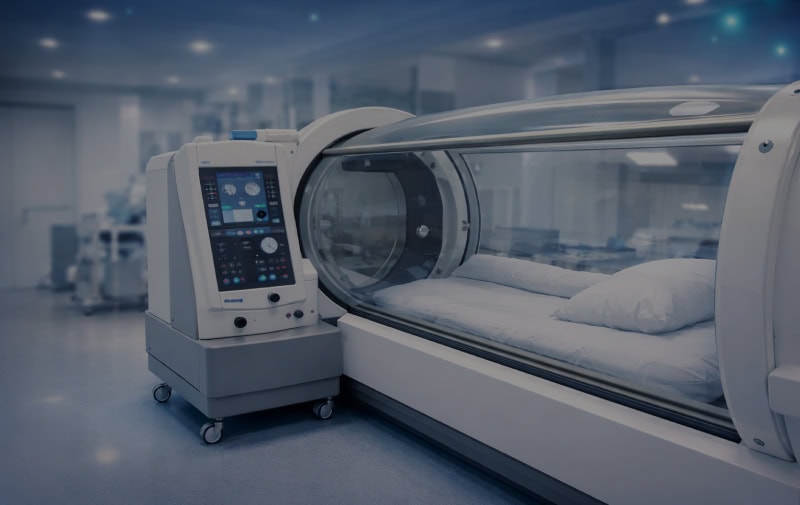
Stroke treatment with Hyperbaric Oxygen Therapy (HBOT) focuses on improving oxygen delivery to brain tissues that may be damaged due to reduced blood flow during a stroke. During HBOT sessions, patients breathe pure oxygen in a pressurized chamber, allowing the bloodstream to carry higher levels of oxygen to affected areas of the brain. This increased oxygen supply may help support brain cell recovery, reduce inflammation, and promote tissue healing. While HBOT is not a replacement for emergency stroke treatment, it is sometimes used as a supportive therapy to aid neurological recovery and improve rehabilitation outcomes after a stroke.
Can Hyperbaric Oxygen Therapy Help Stroke Recovery?
Hyperbaric Oxygen Therapy (HBOT) is emerging as one of the most promising adjunct treatments for stroke recovery. By delivering 100% pure oxygen at pressures 1.5 to 2.0 times greater than normal atmospheric pressure, HBOT penetrates oxygen into areas of the brain where blood flow is compromised, potentially reactivating brain cells that have shut down but not yet died after a stroke.
Whether you suffered a stroke recently or years ago, understanding how HBOT works and whether it is right for you can make a meaningful difference in your recovery journey.
What Happens to the Brain During a Stroke?
A stroke occurs when blood supply to a part of the brain is suddenly interrupted. There are two main types:
Ischemic stroke: A blood clot blocks an artery, cutting off oxygen and nutrients to brain tissue. This accounts for approximately 87% of all strokes.
Hemorrhagic stroke: A blood vessel ruptures, causing bleeding in or around the brain.
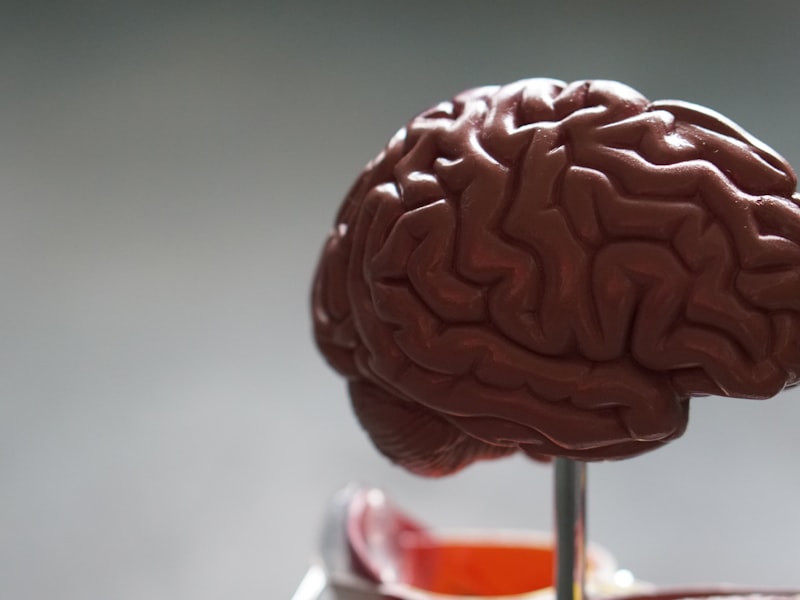
In both cases, within just a few minutes of oxygen deprivation, brain cells begin to die. However, surrounding the core of dead cells is a region called the ischemic penumbra, a zone of injured but potentially salvageable neurons that are still alive but dormant. These “sleeping” cells are the primary target of Hyperbaric Oxygen Therapy for stroke rehabilitation.
Traditional stroke rehabilitation focuses on training healthy brain areas to compensate for lost functions. HBOT goes further; it aims to wake up the dormant penumbra cells and restore their metabolic function, enabling genuine neurological recovery even long after the initial stroke event.
How Does HBOT Work? The Science Behind the Recovery
HBOT operates on Henry’s Law: under increased atmospheric pressure, oxygen dissolves directly into blood plasma, cerebrospinal fluid, and lymph without relying on hemoglobin as a carrier. This produces oxygen concentrations 10 to 15 times higher than normal breathing. For stroke patients, whose damaged vessels can no longer efficiently transport oxygen via red blood cells, this mechanism is especially powerful.
Reactivating Dormant Brain Cells
Research published in Frontiers in Neurology (2025) confirms that HBOT increases oxygen delivery to penumbral regions by approximately 20%, providing the energy dormant neurons need to resume functioning — even years after the initial stroke.
Triggering Neuroplasticity and New Blood Vessel Growth
High-pressure oxygen stimulates stem cell mobilization from bone marrow. These stem cells migrate toward brain injury sites and support neural repair. HBOT also promotes angiogenesis — the formation of new blood vessels — improving long-term circulation in previously damaged regions and creating the conditions for sustained neuroplastic recovery.
Reducing Neuroinflammation
Post-stroke inflammation causes ongoing secondary cell death in surrounding tissue. HBOT significantly reduces pro-inflammatory cytokines such as TNF-alpha and inhibits leukocyte activation, protecting surviving neurons from further damage and creating a more favorable environment for healing.
What Does the Research Show?
The clinical evidence supporting HBOT for stroke has grown substantially over the past decade:
Hadanny et al. (2020) — In a retrospective analysis of 162 chronic post-stroke patients treated with 40–60 HBOT sessions at 2.0 ATA, 86% achieved clinically significant improvement across all cognitive domains. Source: Restorative Neurology and Neuroscience, PubMed PMID 31985478
Zheng et al. (2025) — A matched cohort study of 160 ischemic stroke patients found HBOT significantly improved 90-day functional independence (72.5% vs. 53.8% in controls, p=0.014) and reduced 1-year recurrence rate (7.6% vs. 16.5%, p=0.042). Source: Journal of Stroke and Cerebrovascular Disease, PubMed PMID 40345409
Feasibility Study (2023) — 10 post-stroke outpatient patients showed meaningful improvements — including one patient who began HBOT more than 20 years after their stroke, demonstrating that dormant penumbra neurons can survive and respond to oxygen therapy for decades. Source: MDPI
SPECT brain imaging studies further confirm that HBOT improves metabolic activity in the brain even years after a stroke — providing objective, measurable evidence of neurological recovery.
What to Expect: The Treatment Protocol
At Hyperbaric Centers of Florida, every protocol is individualized based on stroke type, time elapsed, and imaging findings. A standard stroke protocol typically involves:
| Parameter | Typical Range |
| Chamber Pressure | 1.5 to 2.0 ATA (16–33 feet underwater equivalent) |
| Session Duration | 60 to 90 minutes of 100% oxygen per session |
| Frequency | 5 sessions per week |
| Total Sessions | 40 to 60 sessions over 8–12 weeks |
| Monitoring | Medical staff present throughout every session |
The 3-Step Process
- Consultation: We review your medical history and recent MRI or SPECT imaging to design your individualized protocol and confirm candidacy.
- Treatment: You relax in our state-of-the-art hyperbaric chamber and breathe 100% oxygen under increased pressure for 60–90 minutes per session.
- Healing: Between sessions, elevated oxygen levels continue driving neuroplasticity, angiogenesis, and anti-inflammatory repair as your brain progressively recovers.
Improvements Stroke Patients Typically Experience
Based on published clinical outcomes and patient results at our center, HBOT for stroke recovery has been associated with improvements in
- Motor function — strength, coordination, and mobility
- Cognitive function — memory, processing speed, and executive function
- Speech and language — reduced aphasia, improved verbal communication
- Activities of daily living — greater independence in everyday tasks
- Spasticity — reduced muscle stiffness and involuntary contractions
- Mood and energy — measurable reduction in post-stroke depression and fatigue
Most patients begin noticing changes within 20 to 40 sessions. HBOT is not a replacement for conventional rehabilitation — it is a powerful complement that provides the optimal biological environment for the brain to heal and rewire alongside physical, occupational, and speech therapy.
Take the Next Step Toward Recovery
Stroke recovery does not have to be limited by conventional timelines. HBOT offers a scientifically supported path to reclaiming neurological function — whether your stroke occurred last month or several years ago.
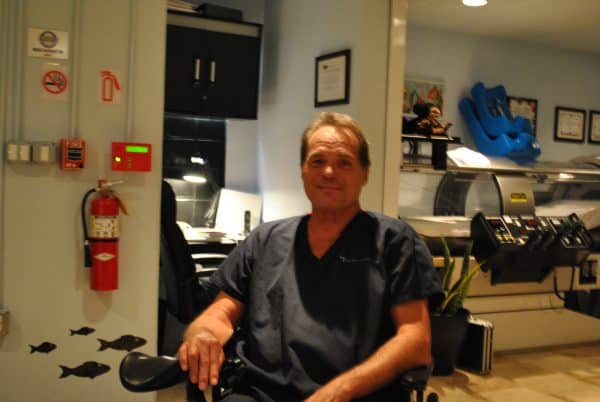
Hyperbaric Centers of Florida has been providing medically supervised hyperbaric therapy since 2010, led by Dr. Stephen M. Strait, DO, a specialist in Undersea and Hyperbaric Medicine. We offer a free initial consultation to evaluate your case and determine whether HBOT is right for you.
Stroke Treatment Support in Florida
If you’re looking for stroke recovery support, our clinic provides advanced hyperbaric oxygen therapy in Florida, helping patients improve recovery outcomes in a safe environment.
How HBOT Helps Stroke Recovery
Hyperbaric Oxygen Therapy floods the body with pure oxygen, creating the optimal environment for the brain to repair itself.
Reactivating Dormant Cells
HBOT increases oxygen levels in plasma and cerebrospinal fluid, reaching areas where blood flow is hindered. This helps "ischemic penumbra" neurons (cells that survived the stroke but backed down their function) regain energy to function.
Triggering Neuroplasticity
High oxygen levels stimulate stem cell mobilization from bone marrow and can initiate the brain's natural repair mechanisms. HBOT promotes the growth of new nerve tissue pathways and creates new connections.
Reducing Inflammation
Post-stroke inflammation can cause further damage by reducing oxygen flow and preventing healing. HBOT significantly reduces brain inflammation by reducing the brain from secondary injury.
Consulatation
We review your medical history and recent MRI scans to determine if HBOT is right for you.
Treatment
Relax in a state-of-the-art chamber. Breathe 100% oxygen under pressure for 60-90 minutes per session.
Healing
Oxygen saturates your body, inducing inflammation and fueling brain repair mechanisms.
Frequently Asked Questions
Yes, HBOT is generally safe and non-invasive. Our medical team monitors every session to ensure safety. However, a comprehensive medical evaluation is required beforehand to rule out specific contraindications.
Results vary by individual, but many patients begin noticing improvements in cognitive function, energy levels, and motor skills within 20-40 sessions. A typical treatment protocol consists of 40-60 sessions over several weeks.
While HBOT is FDA-approved for certain conditions, insurance coverage for stroke recovery can vary. We recommend contacting your insurance provider directly. Our team can provide necessary documentation to support your claim.
Most patients require 20–60 sessions, depending on severity.
Take the Next Step Towards Recovery
Don’t let the past define your future. Contact Hyperbaric Centers of Florida today to see if you are a candidate for this life-changing therapy.