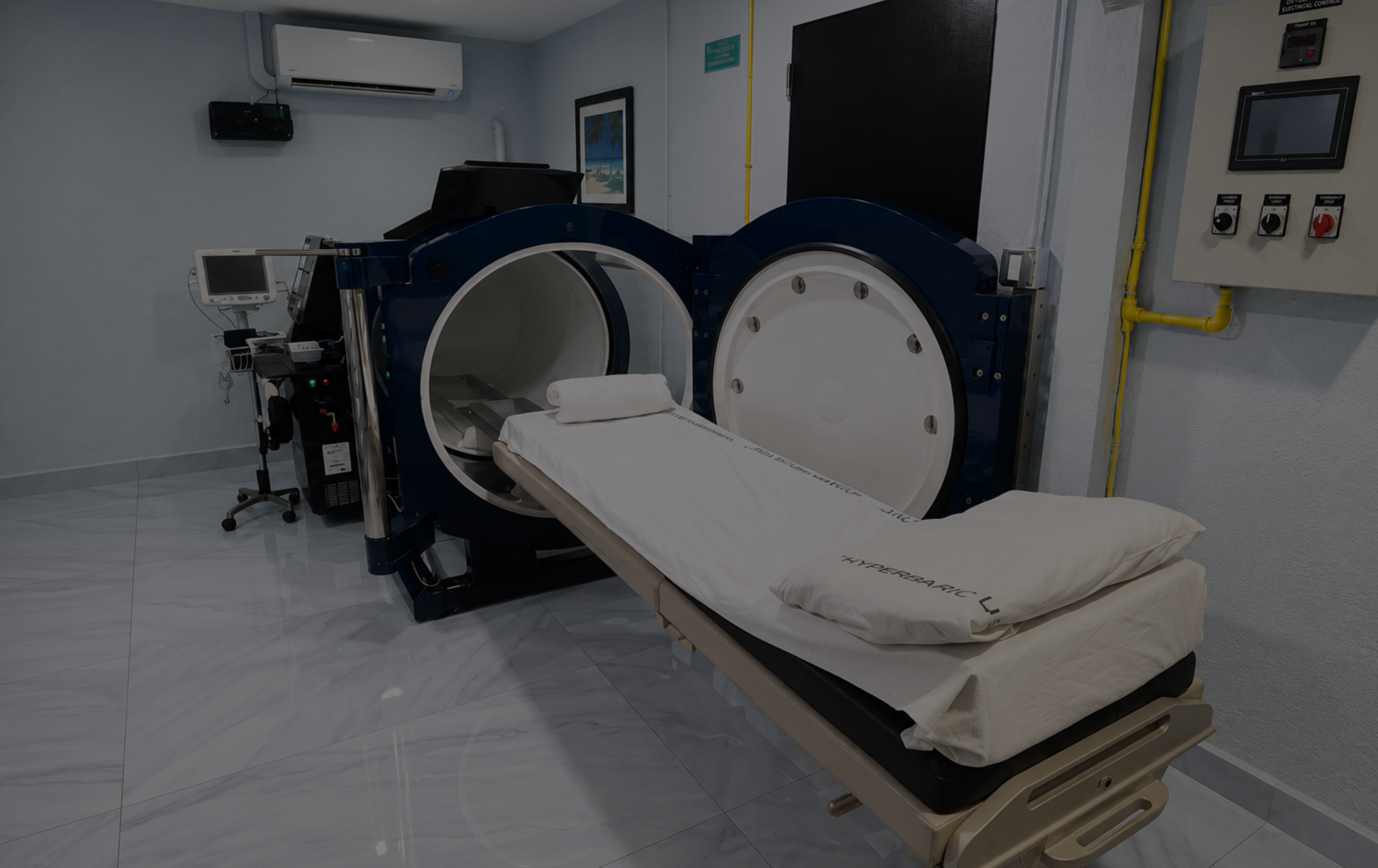
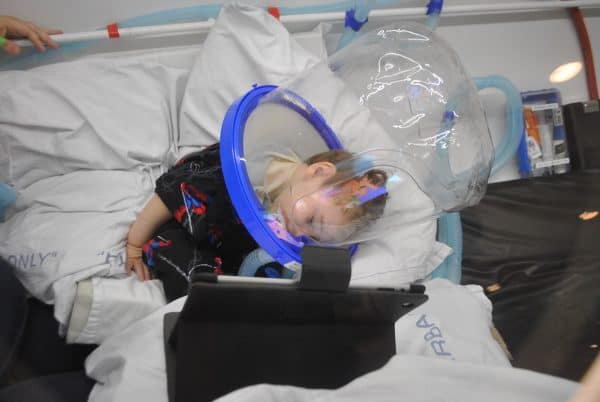
Hyperbaric Oxygen Therapy (HBOT) for traumatic brain injury (TBI) is a treatment where patients breathe 100% oxygen inside a pressurized chamber. The increased oxygen helps deliver more oxygen to injured brain tissues, which may improve blood flow, reduce inflammation, and support healing of damaged brain cells.
HBOT is sometimes used as a supportive therapy for TBI recovery, as improved oxygen supply can help brain metabolism, tissue repair, and neurological function. While it is not considered a cure for traumatic brain injury, some studies suggest that repeated HBOT sessions may help improve certain symptoms and support recovery when used under medical supervision.
HBOT for Traumatic Brain Injury: Can Hyperbaric Oxygen Therapy Speed Recovery?
Every year, over 1.5 million Americans suffer a traumatic brain injury (TBI) from car accidents, falls, sports collisions, or blast injuries. For many, conventional traumatic brain injury treatment options reach their limits within months, leaving patients and families searching for alternatives. One therapy gaining growing scientific attention is Hyperbaric Oxygen Therapy (HBOT). This pressurized oxygen treatment directly targets the dormant, oxygen-starved brain cells that survive the initial injury but lose function. If you’re asking whether HBOT helps TBI, the answer — backed by multiple clinical trials is increasingly yes.
In this guide, we cover what hyperbaric oxygen therapy for traumatic brain injury does at the cellular level, what the latest research shows, how many hyperbaric chamber brain injury sessions are typically needed, and what patients experience during HBOT for TBI recovery.
What Is the "Ischemic Penumbra" — and Why Does It Matter for TBI?
When a traumatic brain injury occurs, two zones of damage are created. The core cells are irreversibly destroyed by the initial trauma, and the ischemic penumbra brain injury zone is a surrounding area of dormant, oxygen-deprived neurons that survived the injury but are non-functional due to restricted blood flow and secondary inflammation.
This penumbra accounts for up to 85% of TBI-related disability. Standard rehabilitation therapies do not address oxygen deprivation at the cellular level. HBOT for traumatic brain injury does — flooding injured tissue with high-concentration oxygen under pressure to reawaken dormant neurons and support lasting recovery.
How Does Hyperbaric Oxygen Therapy for Brain Injury Work?
During a hyperbaric oxygen therapy traumatic brain injury session, a patient breathes 100% pure oxygen inside a pressurized chamber at 1.5–2.0 ATA. At this pressure, oxygen dissolves directly into blood plasma, bypassing red blood cells, and penetrates deep into areas of restricted circulation. This triggers several powerful healing mechanisms:
- HBOT neuroinflammation reduction: HBOT suppresses chronic inflammatory pathways that continue damaging brain tissue weeks and months after the initial TBI.
- Angiogenesis: High-dose oxygen stimulates growth of new capillaries into damaged brain regions, ensuring sustained oxygen delivery to recovering tissue.
- Neuroplasticity treatment hyperbaric oxygen: HBOT mobilizes stem cells from bone marrow, which migrate to injured brain areas and promote new neural pathway formation — allowing the brain to rewire itself.
- Cerebral edema reduction: Increased chamber pressure directly reduces brain swelling, lowering intracranial pressure and protecting surviving tissue.
- Cellular repair: Oxygen under pressure neutralizes free radicals, repairs cell membranes, and supports blood-brain barrier recovery.
These are the core hyperbaric oxygen therapy brain injury benefits that set HBOT apart from conventional rehabilitation approaches.
What Does the Research Say?
The scientific evidence for HBOT for TBI recovery is substantial and growing. A 2024 randomized controlled trial published in the Asian Journal of Neurosurgery evaluated HBOT in moderate TBI patients. Patients receiving adjuvant HBOT showed significantly better Glasgow Coma Scores at discharge and superior 3-month Glasgow Outcome Scale results compared to standard care alone (p < 0.001).
A long-term cohort study in Medical Gas Research (2024) tracked moderate-to-severe TBI patients 5–8 years after HBO₂ treatment, showing sustained improvements in consciousness, cognitive recovery, and daily independence — evidence that chronic TBI recovery HBOT benefits persist far beyond the treatment period.
A comprehensive systematic review in Frontiers in Neurology (2022) analyzed multiple randomized trials of HBOT post concussion syndrome and mild TBI. It found that HBOT at 1.5 ATA produced statistically significant symptomatic and cognitive improvements, meeting Centre for Evidence-Based Medicine Level 1 criteria — the highest standard of clinical evidence — making it a leading post concussion syndrome treatment option.
The consistent finding: HBOT for traumatic brain injury works — and it works even years after the initial injury, because dormant neurons in the ischemic penumbra remain viable and responsive long after standard recovery windows close.
What Improvements Do TBI Patients Experience?
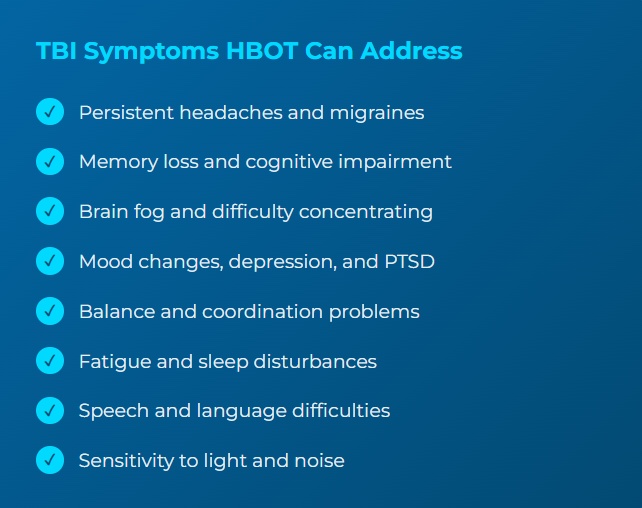
Clinical trials and patient reports document meaningful gains across multiple domains following hyperbaric oxygen therapy traumatic brain injury treatment:
- Improved memory and recall
- Sharper focus and concentration
- Reduced headaches and post-concussion symptoms
- Better sleep quality
- Reduced depression, anxiety, and emotional dysregulation
- Improved speech and language processing
- Better balance and motor coordination
- Reduced brain fog and increased energy levels
How Many Hyperbaric Chamber Brain Injury Sessions Are Needed?
Most hyperbaric chamber brain injury sessions protocols for TBI involve 40 to 80 sessions, administered once daily over 8–16 weeks. The 2022 Frontiers in Neurology systematic review found the strongest evidence for 40 sessions at 1.5 ATA. Some patients notice meaningful improvement within the first 10–20 sessions, while those with more severe or chronic TBI recovery HBOT needs often benefit from extended treatment courses.
At Hyperbaric Centers of Florida, our medical director evaluates each patient’s injury history, imaging, and symptom profile to design a personalized HBOT for TBI recovery protocol.
Is HBOT Safe for TBI Patients?
The benefits of hyperbaric oxygen therapy for brain injury come with a well-established safety profile. The most common side effect is mild ear pressure similar to air travel, occurring in a minority of patients and resolving quickly. Oxygen toxicity seizures are extremely rare when treatment is administered within approved parameters. All patients undergo a full safety evaluation before beginning treatment.
Note: TIA: Transient Ischemic Attack, is a “mini stroke”, or “warning stroke” that often produces mild stroke-like symptoms but usually no lasting damage. A TIA is often a forecast of a full-fledged stroke on the horizon, which makes this a good indicator for beginning this therapy.
Day after day, patients are overcoming the bleak forecasts about recovery from their stroke or traumatic brain injury, using Hyperbaric Oxygen Therapy.
Hyperbaric Therapy for Traumatic Brain Injury
How Hyperbaric Oxygen Therapy Heals the Injured Brain
HBOT creates a high-pressure oxygen environment that triggers powerful healing mechanisms at the cellular level.
Reactivates Dormant Neurons
HBOT delivers oxygen 10–15× above normal levels, penetrating areas where blood flow is restricted. This reawakens "idling" neurons in the ischemic penumbra — cells that survived the injury but lost function due to oxygen deprivation.
Reduces Neuroinflammation
TBI triggers chronic inflammation that continues damaging brain tissue long after the initial injury. HBOT's anti-inflammatory effects halt this secondary damage, protecting healthy tissue and creating an environment for healing.
Grows New Blood Vessels
High-dose oxygen triggers angiogenesis — the growth of new capillaries into damaged brain regions. These permanent new blood vessels ensure continuous oxygen supply to recovering tissue, sustaining long-term neurological improvements.
Stimulates Neuroplasticity
HBOT mobilizes stem cells from bone marrow, which travel to damaged brain areas to initiate repair. This process promotes the formation of new neural pathways — allowing the brain to rewire itself and restore lost functions.
Reduces Brain Swelling
Elevated pressure in the hyperbaric chamber directly reduces cerebral edema (brain swelling). By decreasing intracranial pressure, HBOT protects surviving brain tissue from further compression injury and supports faster structural recovery.
Enhances Cellular Repair
Oxygen under pressure neutralizes harmful free radicals, repairs damaged cell membranes, and activates cellular regeneration. This supports the blood-brain barrier's recovery, reducing toxin exposure to vulnerable neurological tissue.
What TBI Patients Experience with HBOT Therapy
Research and clinical evidence show meaningful improvements across multiple domains of brain function
- Improved memory & recall
- Reduced headaches & migraines
- Sharper focus & concentration
- Better sleep quality
- Reduced depression & anxiety
- Improved speech & language
- Better balance & coordination
- Reduced brain fog
- Increased energy levels
- Improved emotional regulation
- Enhanced processing speed
- Greater independence in daily life
Why Traditional Treatments Fall Short
A traumatic brain injury occurs when a sudden trauma, such as a fall, car accident, sports collision, or blast, disrupts normal brain function. Every year, over 1.5 million Americans suffer a TBI. For many, conventional rehabilitation offers limited results after the initial recovery window.
The reason: standard therapies don’t address the “ischemic penumbra,” the zone of dormant, oxygen-starved brain cells surrounding the primary injury. These cells are alive but non-functional, and they account for up to 85% of TBI-related disability.
Hyperbaric oxygen therapy directly targets this penumbra, flooding injured tissue with high-concentration oxygen to reawaken dormant neurons and support lasting recovery.
Disclaimer: The information provided by this website is for educational and informational purposes only, and it is not to be considered medical advice. Please consult your doctor before pursuing Hyperbaric Therapies.
Ready to Start Your TBI Recovery?
Schedule a free consultation with our medical team to learn whether HBOT is right for your traumatic brain injury. We’ll review your history, answer all your questions, and design a personalized treatment approach.